Understanding Invasive Sea Vomit
Invasive sea vomit, scientifically known as Velella velella, is a marine organism that has recently drawn attention for its unusual appearance and ecological impact. These gelatinous creatures, often referred to as “by-the-wind sailors,” are typically found floating on the surface of the ocean. Their unique structure allows them to harness wind energy, which aids in their movement across the water.
While they may seem harmless, the proliferation of sea vomit can indicate significant shifts in marine ecosystems. As climate change and pollution continue to affect ocean conditions, the rise in these organisms raises concerns about the health of marine environments.
The Biology of Sea Vomit
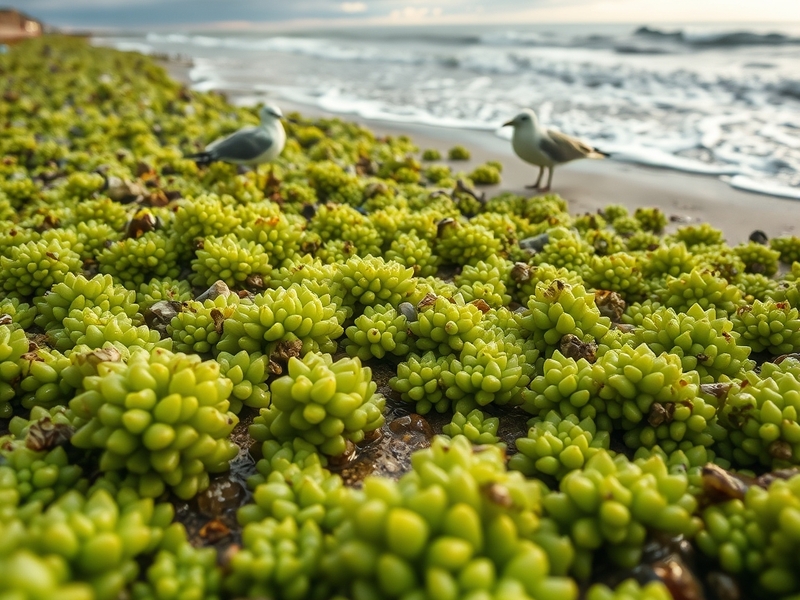
Sea vomit is not a single organism but rather a colonial organism made up of individual polyps. Each polyp has a specific function, including feeding, reproduction, and locomotion. The translucent, blue-tinted sails of these creatures can be quite striking when washed ashore, often creating a surreal landscape on beaches.
Key characteristics of sea vomit include:
- Color: Typically blue or purple, which helps them blend into the ocean’s surface.
- Size: Generally small, measuring between 2 to 10 centimeters in length.
- Habitat: Commonly found in warm waters, particularly along the Pacific coast.
- Feeding: They feed on small marine organisms, such as plankton.
Environmental Implications
The increasing presence of invasive sea vomit can be a symptom of broader environmental issues. Their population surges often correlate with warmer ocean temperatures and nutrient-rich waters, conditions that can be exacerbated by human activity. This raises several implications:
- Indicator Species: Sea vomit can serve as an indicator of changing oceanic conditions, signaling shifts in temperature and nutrient levels.
- Impact on Marine Life: Their presence can disrupt local ecosystems, as they compete for resources with native species.
- Tourism and Recreation: Massive wash-ups can affect beachgoers and tourism, leading to economic repercussions for coastal communities.
These factors highlight the interconnectedness of marine ecosystems and the potential consequences of environmental changes. Understanding the role of sea vomit can provide insights into the health of our oceans and the challenges they face.
Conclusion: The Future of Our Oceans
The rise of invasive sea vomit is a call to action for scientists, policymakers, and the public alike. Addressing the root causes of climate change and pollution is crucial for the preservation of marine ecosystems. As these organisms continue to appear in greater numbers, they remind us of the delicate balance within our oceans.
For those interested in learning more about marine ecology and the impacts of invasive species, visit our Science and Environment pages for further insights.