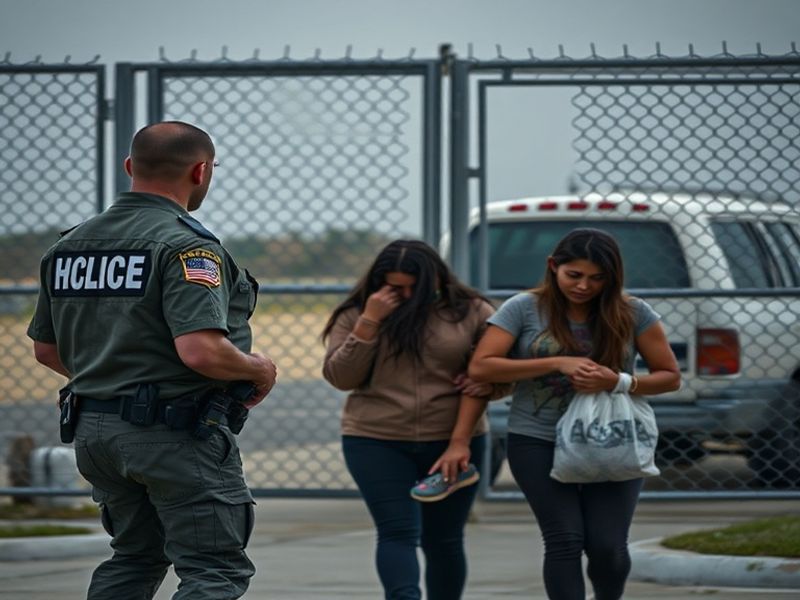
Deportation remains one of the most contentious and emotionally charged issues in global immigration policy. It affects millions of lives, reshapes communities, and fuels political debates worldwide. This article examines the legal frameworks, human consequences, and broader societal implications of deportation.
The Legal Framework of Deportation
Deportation, or removal, refers to the formal process through which a government expels a non-citizen from its territory. The legal basis for deportation varies by country but generally stems from violations of immigration laws, criminal convictions, or national security concerns. In the United States, for example, deportation proceedings are governed by the Immigration and Nationality Act (INA), which outlines grounds for removal such as illegal entry, visa overstays, or aggravated felonies.
Deportation processes typically begin with a notice to appear (NTA) in immigration court. Unlike criminal proceedings, respondents in deportation cases do not have the constitutional right to a court-appointed attorney if they cannot afford one. This disparity often places undocumented immigrants at a significant disadvantage, regardless of their ties to the community or potential for relief.
Key legal pathways for avoiding deportation include:
- Cancellation of Removal: Available to long-term residents with strong community ties, good moral character, and evidence of hardship to qualifying relatives if deported.
- Asylum and Refugee Status: Individuals fleeing persecution in their home countries may apply for protection, though recent policy changes have tightened eligibility.
- U Visas and T Visas: For victims of certain crimes or human trafficking who cooperate with law enforcement.
- Prosecutorial Discretion: Immigration and Customs Enforcement (ICE) may choose not to pursue deportation in cases deemed low priority, such as those involving military service or long-term U.S. residency.
The Human Cost of Deportation
The impact of deportation extends far beyond the individual being removed. Families are often separated, with children—many of whom are U.S. citizens—left in the care of relatives or foster systems. Economic consequences ripple through communities as deported individuals lose jobs, businesses collapse, and local economies suffer from reduced consumer spending.
Psychological trauma is another critical but often overlooked aspect. Studies show that children of deported parents experience higher rates of anxiety, depression, and academic decline. Adults facing deportation frequently report feelings of hopelessness, stigma, and fear of future encounters with law enforcement. The process itself, which can involve detention in overcrowded facilities, exacerbates these mental health challenges.
One particularly vulnerable group is DACA (Deferred Action for Childhood Arrivals) recipients, who were brought to the U.S. as children and have built their lives in America. Despite their contributions to society, changes in immigration policy have left many DACA recipients in legal limbo, facing the threat of deportation to countries they may not remember.
The Broader Societal Implications
Deportation policies do more than remove individuals; they reshape the social fabric of both sending and receiving nations. Countries like Mexico, Guatemala, and Haiti face immense pressure as they struggle to reintegrate deportees who often lack skills, support networks, or even language proficiency in their supposed “home” countries. This repatriation can strain already fragile infrastructures, particularly in regions already grappling with gang violence, poverty, and political instability.
On the receiving end, deportations can create labor shortages in industries reliant on immigrant workers, such as agriculture, construction, and hospitality. Employers often report difficulties filling positions after large-scale deportation operations, highlighting the paradox of policies that simultaneously depend on immigrant labor while seeking to exclude it.
Politically, deportation remains a polarizing issue. Advocacy groups argue for more humane policies, emphasizing the need for comprehensive immigration reform that includes pathways to citizenship. Meanwhile, supporters of stricter enforcement contend that deportation is necessary to uphold the rule of law and deter illegal immigration. This divide has led to inconsistent enforcement, with some administrations prioritizing deportations of recent arrivals while others focus on long-term residents with minor infractions.
Case Studies: Deportation in Action
To better understand the real-world effects of deportation, examining specific cases provides valuable insight. One notable example is the 2017 termination of the Temporary Protected Status (TPS) program for Haitians, Salvadorans, and other nationals. TPS was designed to protect individuals from countries facing natural disasters or armed conflict. When the program ended, over 400,000 people faced the possibility of deportation, many of whom had lived in the U.S. for decades.
Another high-profile case involves the deportation of military veterans. Despite serving in the U.S. armed forces, some non-citizen veterans have faced deportation due to criminal convictions post-service. Advocacy groups like News have highlighted these cases, arguing that deporting veterans betrays the principle of “no one left behind.”
In contrast, some countries have adopted more progressive approaches. Portugal, for instance, decriminalized drug use in 2001 and shifted its focus toward harm reduction and rehabilitation. While not directly related to deportation, this policy shift reflects a broader trend of countries reevaluating punitive measures in favor of more compassionate alternatives. Could similar reforms in immigration policy reduce the reliance on deportation?
Looking Ahead: Policy Alternatives and Reform
The debate over deportation is unlikely to fade, but alternative approaches are gaining traction. Some cities and states have adopted “sanctuary” policies, limiting cooperation with federal immigration authorities to protect undocumented residents. These measures aim to build trust between immigrant communities and local law enforcement, though they remain controversial.
Another proposal is the expansion of legal immigration pathways. By creating more opportunities for visas and green cards, governments could reduce the incentives for unauthorized entry while providing a legal route for those already contributing to the economy. Countries like Canada and Australia have successfully implemented points-based immigration systems that prioritize skills and labor market needs, offering a potential model for reform.
Technology also plays a role in shaping deportation policies. Immigration agencies increasingly use data analytics and surveillance tools to identify undocumented immigrants, raising concerns about privacy and civil liberties. Critics argue that these tools can lead to racial profiling and disproportionate targeting of certain communities.
Conclusion
Deportation is not merely a legal process; it is a human one. The policies that govern removal shape lives, families, and entire communities. As global migration continues to rise, the need for balanced, humane, and practical solutions becomes ever more urgent. Reform must address the root causes of displacement while ensuring that enforcement does not come at the expense of basic human dignity. Whether through legislative change, community advocacy, or international cooperation, the conversation around deportation must center the voices and experiences of those most affected.
For more insights into immigration policy and its societal impact, explore our Analysis section, where we dissect complex issues with depth and nuance.