Chronicle: The Timeless Art of Recording History
“`html
Chronicle: Tracing Time Through Stories and Records
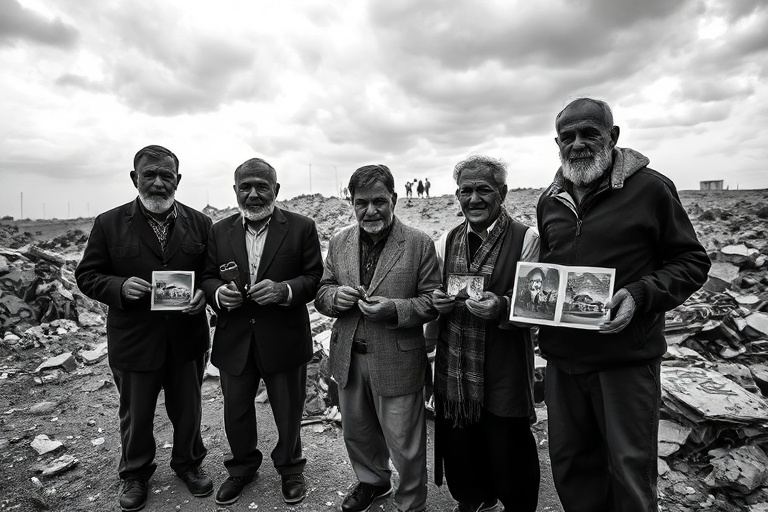
The word chronicle carries the weight of history within its syllables. It is both a noun and a verb, a container for events and a process of recording them. From medieval manuscripts to modern digital archives, the act of chronicling has evolved, yet its purpose remains unchanged: to preserve moments for future eyes and minds. This exploration examines the layers of meaning behind chronicles, their historical significance, and how they persist in contemporary storytelling.
The Historical Roots of Chronicles
The earliest chronicles emerged in ancient civilizations, where scribes and monks meticulously documented the passage of time. In Mesopotamia, clay tablets recorded royal decrees and celestial events. The Babylonian Chronicles from the 8th century BCE provide a sequential account of battles, eclipses, and reigns, offering historians a rare glimpse into ancient governance and natural phenomena. These texts were not mere records—they were tools of power, legitimizing rulers and shaping collective memory.
Medieval Europe saw the rise of monastic chronicles, where monks transcribed not just political events but also local disasters, miracles, and daily life. The Anglo-Saxon Chronicle, begun during the reign of Alfred the Great in the 9th century, is one of the most enduring examples. It blends annals with narrative, recounting Viking invasions, royal deaths, and even ecological events like famine and flooding. These chronicles were often illustrated with intricate illuminations, transforming cold facts into vivid stories.
By the Renaissance, chronicles had become more sophisticated. Humanist scholars like Froissart and Boccaccio expanded the form, weaving personal perspectives into broader historical tapestries. Their works were not just archives but literary masterpieces, influencing generations of writers. The shift from religious to secular chronicles reflected a changing worldview—one where human agency and individual experience began to matter as much as divine will.
The Function of Chronicles in Modern Times
Today, the concept of a chronicle persists, though its mediums and purposes have diversified. Historical societies still publish scholarly chronicles, such as the Chronicle of Higher Education, which tracks trends in academia. Meanwhile, digital platforms have democratized the act of chronicling. Social media timelines, for instance, function as personal chronicles—ephemeral yet permanent, public yet intimate.
A striking modern example is Wikipedia, a living encyclopedia that, in many ways, operates like a collective chronicle. Each edit adds a new layer of recorded knowledge, with the platform’s edit history serving as a transparent log of its evolution. Unlike traditional chronicles, Wikipedia is collaborative and ever-changing, proving that the impulse to document is alive and evolving.
In journalism, the term chronicle often appears in the names of publications that emphasize narrative reporting over breaking news. The New York Times’s “Chronicle” section, for example, focuses on in-depth features and cultural criticism. These chronicles serve a vital role: they slow down the relentless pace of news cycles to examine the human stories beneath the headlines.
Chronicles in Literature and Media
Literature has long embraced the chronicle format, particularly in genres that blend history with fiction. Gabriel García Márquez’s One Hundred Years of Solitude is often described as a “chronicle of the Buendía family,” tracing their rise and fall over generations. The novel’s magical realism elevates it beyond a simple family saga, but its structure remains rooted in the chronicle tradition—sequential, generational, and deeply human.
Film and television have also adopted the chronicle format. Documentaries like The Civil War by Ken Burns function as visual chronicles, stitching together letters, photographs, and interviews into a cohesive narrative. Even reality TV shows, such as The Crown, present semi-fictionalized chronicles of historical events and figures, blurring the line between fact and dramatization.
Video games have entered this space as well. Titles like Assassin’s Creed series blend fictional narratives with meticulously researched historical settings, effectively functioning as interactive chronicles. Players move through reconstructed cities and timelines, absorbing history through gameplay. These digital chronicles are not passive; they invite engagement, making history feel immediate and tangible.
The Ethics and Challenges of Chronicling
Chronicling is never neutral. Every record is shaped by the biases of its author, the tools available, and the cultural context in which it is created. Medieval monks, for instance, often omitted or altered events that conflicted with their religious narratives. Similarly, modern journalists face ethical dilemmas when deciding what to include—or exclude—in their chronicles. The 24-hour news cycle pressures reporters to prioritize speed over depth, sometimes at the cost of accuracy.
Digital chronicling introduces new challenges. The permanence of the internet means that once something is recorded, it rarely disappears. This raises questions about privacy and consent. Should every tweet, every Instagram post, be preserved as part of the historical record? Platforms like the Internet Archive attempt to tackle this by archiving vast swaths of the web, but even they grapple with the ethical implications of mass data collection.
Another challenge is the fragmentation of modern chronicles. In an era of algorithm-driven content, stories are often told in disjointed fragments across multiple platforms. A single event might be documented in tweets, Reddit threads, news articles, and TikTok videos—each piece offering a different perspective but none providing a cohesive whole. This fragmentation makes it difficult to construct a unified narrative, raising questions about how we will remember events in the future.
How to Preserve the Art of Chronicling
Despite these challenges, the act of chronicling remains essential. It is how we make sense of time, how we connect past and present, and how we leave a legacy for future generations. But preserving this art requires intentionality. Here are a few ways to engage with chronicling thoughtfully:
- Seek depth over speed: Whether you’re a writer, a historian, or a casual observer, prioritize thoroughness. A well-researched chronicle is more valuable than a hastily published one.
- Embrace multiple perspectives: Recognize that every chronicle is a product of its creator’s viewpoint. Seek out diverse sources to create a more nuanced record.
- Document intentionally: In your personal life, consider keeping a journal or blog. These acts of chronicling can become valuable records for future generations.
- Support archival efforts: Organizations like the Dave’s Locker History Archives rely on public contributions to preserve historical records. Your participation can help ensure that stories are not lost to time.
Conclusion: The Enduring Legacy of Chronicles
From clay tablets to cloud storage, the impulse to chronicle has remained constant. It is a testament to humanity’s desire to impose order on chaos, to find meaning in the passage of time. Chronicles are not just records; they are conversations across centuries, linking us to those who came before and guiding those who will follow.
In an age of information overload, the art of chronicling reminds us to slow down, to reflect, and to honor the stories that shape us. Whether through the meticulous work of a medieval monk or the spontaneous posts of a social media user, every act of chronicling is an act of resistance against oblivion. It asserts: We were here. This mattered.
As we move forward, let us remember the power of a well-told chronicle—not just as a tool for preservation, but as a bridge between past and future. In doing so, we ensure that the stories of today become the wisdom of tomorrow.