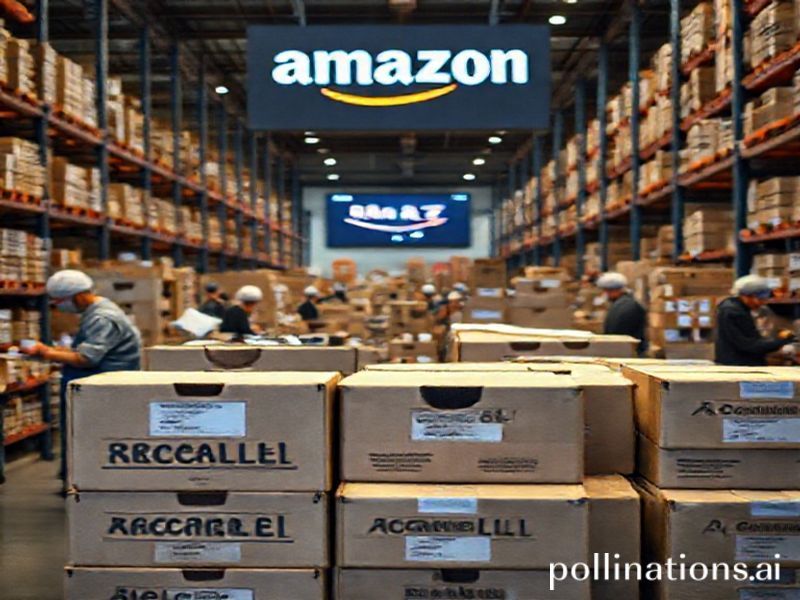
Amazon began as a modest online bookstore in 1994, founded by Jeff Bezos in a Seattle garage. Today, it stands as the largest e-commerce platform in the world, reshaping not only retail but also logistics, cloud computing, and entertainment. Its evolution from a niche bookseller to a trillion-dollar conglomerate reflects broader shifts in consumer behavior, technological innovation, and corporate strategy.
The Rise of Amazon: From Bookstore to Everything Store
Amazon’s growth has been defined by relentless expansion. In its early years, the company focused on selling books online, leveraging the internet’s ability to offer a wider selection than physical stores. By 2000, Amazon had expanded into CDs, DVDs, and electronics. The launch of Amazon Prime in 2005 marked a turning point, introducing free two-day shipping and later same-day delivery, setting a new standard for customer expectations.
The company’s strategy relied on three pillars: selection, price, and convenience. Amazon invested heavily in warehouse automation, data analytics, and third-party seller integration, creating a platform where nearly anything could be purchased with a few clicks. Its acquisition of Whole Foods in 2017 signaled further ambitions in grocery retail, while the expansion of Amazon Web Services (AWS) demonstrated its dominance in cloud computing.
Amazon’s influence extends beyond retail. Its streaming services, original content production, and smart home devices like Alexa have woven the company into daily life. This diversification has allowed Amazon to weather economic downturns and industry shifts while maintaining steady revenue growth.
How Amazon Changed the Rules of Retail and Logistics
Amazon didn’t just adapt to the internet—it redefined it. Traditional retailers struggled to compete with its pricing model, which often undercut brick-and-mortar stores by significant margins. The introduction of the “Buy Box” on product pages gave Amazon control over which sellers received visibility, further consolidating its market power.
The company’s logistics network is another key differentiator. Amazon built a vast fulfillment infrastructure, including regional warehouses and delivery stations, enabling faster shipping times. Its fleet of delivery vans and partnerships with independent contractors have reduced reliance on third-party shippers like UPS and FedEx. This vertical integration has allowed Amazon to control costs and improve efficiency.
Yet, this expansion has not been without controversy. Critics argue that Amazon’s dominance stifles competition, exploits warehouse workers, and undermines local businesses. Regulatory scrutiny has increased, with lawmakers in the U.S. and Europe investigating potential antitrust violations. Despite these challenges, Amazon’s model remains a benchmark for modern retail.
Key Innovations That Defined Amazon’s Success
- One-Click Ordering (1997): Simplified the checkout process, reducing friction for repeat customers.
- Amazon Prime (2005): Introduced free shipping and later added streaming, music, and exclusive deals.
- Fulfillment by Amazon (FBA) (2006): Allowed third-party sellers to store inventory in Amazon warehouses, expanding product availability.
- Amazon Web Services (AWS) (2006): Pioneered cloud computing, becoming a major revenue driver.
- Alexa and Smart Home (2014): Integrated voice assistants into everyday life, creating a new ecosystem of connected devices.
The Broader Impact: Economic, Social, and Ethical Considerations
Amazon’s influence extends beyond commerce. Economically, it has created millions of jobs, from warehouse workers to tech engineers, while also displacing traditional retail jobs. The company’s reliance on automation and data-driven decision-making has raised questions about the future of labor in an increasingly digital economy.
Socially, Amazon has altered consumer habits. The expectation of fast, free shipping has made returns and exchanges routine, contributing to a culture of disposable consumption. Meanwhile, its marketplace allows small businesses to reach global audiences, though many sellers struggle to compete with Amazon’s own product lines.
Ethically, Amazon has faced criticism over worker conditions in its warehouses, where productivity quotas and surveillance systems have led to high turnover and labor disputes. Environmental concerns have also emerged, as the company’s packaging waste and carbon footprint grow alongside its operations. In response, Amazon has pledged to achieve net-zero carbon emissions by 2040 and introduced climate-conscious initiatives.
What’s Next for Amazon?
Amazon’s future hinges on several key areas. First is its continued expansion into new markets, including healthcare, where it has partnered with providers to offer telemedicine services. Second is its push into international markets, particularly in India and Latin America, where e-commerce is still growing. Third is its investments in automation, including robotics and AI, which could further streamline operations but also reduce human labor.
The company’s ability to innovate while addressing ethical and regulatory challenges will determine its long-term success. As Amazon ventures into new industries—from grocery delivery to autonomous vehicles—it will need to balance growth with responsibility.
For consumers, Amazon remains a convenient and often indispensable platform. For competitors, it is a formidable adversary. And for regulators, it is a case study in the power of a single company to shape an entire economy. As Amazon approaches its fourth decade, its story is far from over.
Explore More on Dave’s Locker
To dive deeper into the world of e-commerce and retail innovation, check out our Technology and Business categories. Whether you’re interested in the latest tech trends or the economic impact of digital marketplaces, Dave’s Locker offers in-depth analysis and expert commentary.