Norovirus Outbreaks on Cruise Ships: A Global Health Concern
Norovirus outbreaks on cruise ships have become a recurring headline in global travel news, often sparking concern among passengers and industry regulators alike. These incidents, while relatively rare compared to the millions of people who cruise safely each year, highlight the unique challenges of containing infectious diseases in confined, high-density environments. The virus spreads rapidly through contaminated food, water, or surfaces, making cruise ships—with their buffets, shared dining areas, and close quarters—particularly vulnerable.
Public health experts emphasize that norovirus is not a cruise-specific issue but rather a global problem that affects schools, nursing homes, and restaurants with equal frequency. However, the high-profile nature of cruise ship outbreaks often amplifies media attention, creating a perception that these incidents are more common than they are. The U.S. Centers for Disease Control and Prevention (CDC) tracks outbreaks on cruise ships through its Vessel Sanitation Program, providing data that reveals patterns in how and where these outbreaks occur.
The Science Behind Norovirus on Cruise Ships
Norovirus is a highly contagious virus that causes acute gastroenteritis, characterized by sudden onset of vomiting, diarrhea, nausea, and stomach pain. Symptoms typically last 1-3 days, though recovery can take longer for vulnerable populations like the elderly or immunocompromised. The virus is shed in large quantities in the stool and vomit of infected individuals, and even microscopic traces can lead to infection if ingested.
On a cruise ship, the virus can spread through multiple pathways:
- Foodborne transmission: Contaminated food handled by an infected worker or prepared in unsanitary conditions.
- Environmental contamination: Surfaces like door handles, railings, and elevator buttons touched by infected passengers.
- Person-to-person contact: Direct transmission through close interaction, such as sharing a cabin or dining table.
- Aerosolized particles: The virus can linger in the air after vomiting episodes, infecting those nearby.
The CDC reports that most outbreaks occur when a ship docks in a U.S. port, as this is when health officials investigate and report cases. Between 2010 and 2019, the agency recorded an average of 10-15 norovirus outbreaks per year on cruise ships, affecting roughly 1,000 passengers and crew members annually. While these numbers represent a tiny fraction of the over 30 million annual cruise passengers, the outbreaks often dominate headlines due to their dramatic nature.
Cultural and Economic Impact of Outbreaks
The economic repercussions of a norovirus outbreak extend far beyond the immediate health concerns. Cruise lines invest heavily in sanitation protocols, including enhanced cleaning, hand hygiene campaigns, and even temporary suspension of self-service buffets during outbreaks. These measures, while necessary, can disrupt the vacation experience and lead to financial losses for both passengers and operators.
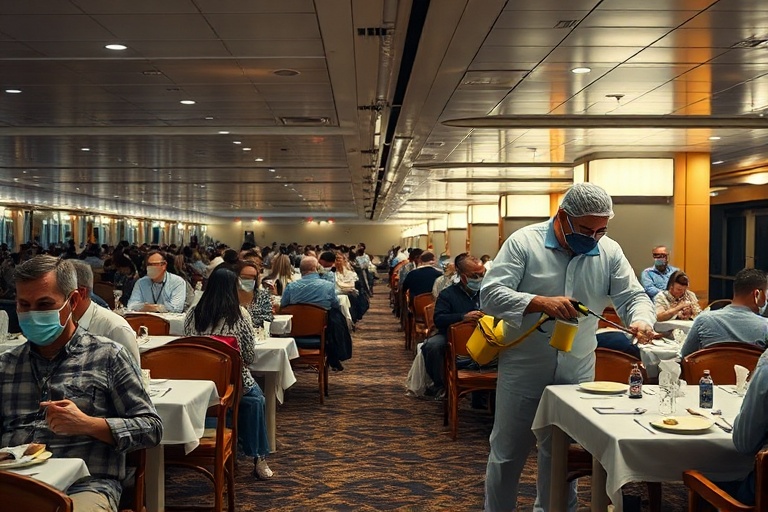
In some cases, passengers who fall ill may seek compensation for ruined trips, forcing cruise companies to navigate legal and public relations challenges. The industry has responded by implementing stricter health screenings for crew members, improving food safety training, and adopting advanced disinfection technologies like UV light and electrostatic sprayers. Despite these efforts, outbreaks continue to occur, reflecting the virus’s resilience and the difficulty of controlling it in communal settings.
Culturally, norovirus outbreaks on cruise ships have become a symbol of the broader anxieties surrounding global travel and public health. In an era where pandemics like COVID-19 have heightened awareness of infectious diseases, even localized outbreaks can fuel fear and skepticism about cruise vacations. Social media amplifies these concerns, with passengers sharing harrowing stories of illness and disruptions, further tarnishing the reputation of the cruise industry.
Yet, it’s important to contextualize these incidents within the larger framework of norovirus transmission. For instance, a 2017 outbreak on a Royal Caribbean ship resulted in over 200 cases, but the same year saw thousands of norovirus cases in schools and long-term care facilities across the U.S. The difference lies in perception: a cruise ship outbreak is visible, dramatic, and newsworthy, while similar outbreaks in less glamorous settings often go unreported.
Prevention and Response: Lessons from Recent Outbreaks
Public health agencies and cruise lines have refined their response strategies to mitigate norovirus outbreaks. The CDC’s Vessel Sanitation Program requires ships to report gastrointestinal illnesses and undergo unannounced inspections. Cruise operators, in turn, have adopted a multi-layered approach to prevention:
- Enhanced sanitation: Increased frequency of cleaning high-touch surfaces with EPA-approved disinfectants.
- Hand hygiene initiatives: Mandatory handwashing stations at entrances to dining areas and reminders via onboard announcements.
- Isolation protocols: Immediate separation of sick passengers to prevent further spread.
- Crew training: Regular workshops on norovirus symptoms, transmission, and prevention.
- Passenger education: Pre-cruise health advisories and onboard informational campaigns.
Despite these measures, challenges remain. Crew members, who live and work in close quarters for months, can unknowingly introduce the virus onboard. Additionally, the global nature of cruise itineraries means ships often dock in countries with varying public health standards, complicating efforts to contain outbreaks before they escalate.
One notable example is the 2019 outbreak on the Diamond Princess cruise ship in Japan, which resulted in over 700 cases and several deaths. The incident drew international scrutiny due to the ship’s delayed quarantine response, highlighting the need for rapid, coordinated action in future outbreaks. The travel industry has since collaborated with health organizations to develop more agile containment strategies, including real-time data sharing and rapid deployment of medical teams.
A Global Perspective: Norovirus Beyond the Cruise Ship
While cruise ships make headlines, norovirus is a global health issue that transcends borders and settings. In developing countries with limited sanitation infrastructure, norovirus outbreaks can devastate communities, particularly children under five. According to the World Health Organization (WHO), norovirus causes approximately 200,000 deaths annually worldwide, primarily in low-income regions where access to clean water and healthcare is scarce.
In contrast, developed nations like the U.S. and Europe see norovirus as a nuisance rather than a life-threatening condition. Yet, even in these regions, the economic burden is significant. The CDC estimates that norovirus costs the U.S. healthcare system over $2 billion annually in medical expenses and lost productivity. Cruise ships, with their controlled environments, offer a unique opportunity to study the virus’s transmission dynamics and test innovative prevention strategies that could benefit public health more broadly.
Looking ahead, the cruise industry’s response to norovirus may serve as a model for other sectors grappling with infectious disease control. As climate change and globalization increase the risk of pandemics, the lessons learned from cruise ship outbreaks could prove invaluable in safeguarding public health on a global scale.
Conclusion: Balancing Safety and Enjoyment
Norovirus outbreaks on cruise ships are a reminder that even in the most controlled environments, infectious diseases can disrupt lives. While the risk of contracting norovirus on a cruise is low, the consequences—both health-wise and financially—can be significant. Cruise lines, public health agencies, and passengers all play a role in minimizing these risks through vigilance, education, and proactive measures.
For travelers, the key is to stay informed and prioritize health and hygiene. For the cruise industry, the challenge lies in balancing the demand for leisure and entertainment with the need for stringent safety protocols. As global travel continues to evolve, the lessons learned from norovirus outbreaks will shape the future of public health and hospitality alike.
Ultimately, the goal is not to deter people from cruising but to foster a culture of responsibility and preparedness. By understanding the science behind norovirus and adopting best practices, the travel industry can continue to provide memorable experiences without compromising safety.