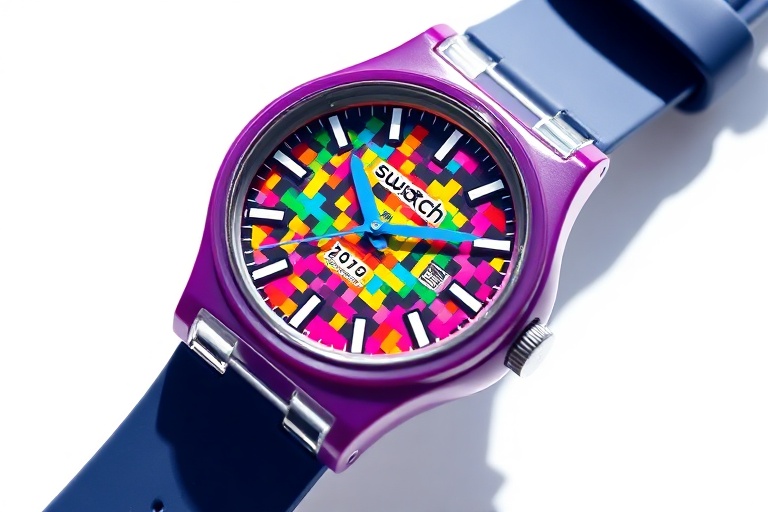
Swatch Watch: How the Swiss Brand Revolutionized Affordable Timepieces
Since its debut in 1983, the Swatch watch has carved a unique niche in the world of horology. More than just an affordable timepiece, Swatch transformed the Swiss watch industry by making stylish, reliable watches accessible to a broader audience. The brand’s innovative approach to design, marketing, and production challenged the dominance of traditional Swiss watchmakers and redefined what a watch could be.
The Origins of Swatch: A Radical Shift in Watchmaking
Swatch was born out of necessity. In the early 1980s, the Swiss watch industry faced severe competition from Japanese quartz watches, which were both accurate and inexpensive. Swiss manufacturers, long known for their mechanical craftsmanship, struggled to compete on price and technology. Enter Nicolas Hayek, a Swiss engineer and businessman who led a consortium to save the industry. His solution? A radical rethinking of watch production.
Hayek’s vision was to create a watch that combined Swiss quality with affordability. The result was the Swatch, a name derived from “second watch”—a nod to its role as a casual, everyday accessory rather than a luxury item. The first Swatch watches debuted in 1983, priced at just $30 to $50, a fraction of the cost of traditional Swiss watches. This pricing strategy immediately made Swatch accessible to younger consumers and those who wanted a stylish timepiece without breaking the bank.
The brand’s success was not just about price. Swatch watches were designed to be disposable in a sense—easy to replace, collect, and customize. The company encouraged consumers to treat their Swatches as fashion accessories, changing them as often as they changed their outfits. This approach was a stark contrast to the traditional Swiss watch industry, where timepieces were meant to last a lifetime.
Design Innovation: How Swatch Changed the Aesthetic of Watches
Swatch’s design philosophy was rooted in bold colors, playful themes, and modularity. Unlike the understated elegance of traditional Swiss watches, Swatch embraced a vibrant, youthful aesthetic. The brand frequently collaborated with artists, designers, and even pop culture icons to create limited-edition collections. These partnerships resulted in watches that were as much about self-expression as they were about telling time.
One of Swatch’s most iconic designs is the “Jellyfish,” a transparent, flexible watch introduced in the 1990s. Made from a soft, rubber-like material, the Jellyfish was unlike anything else on the market. It appealed to a generation that valued comfort and individuality over rigid, formal designs. Another standout is the “Pop Art” collection, which featured watches inspired by artists like Keith Haring and Jean-Michel Basquiat. These pieces blurred the line between fashion and art, making Swatch a staple in both wardrobes and galleries.
- Modular Design: Swatch watches often featured interchangeable straps and cases, allowing wearers to mix and match components to suit their style.
- Material Experimentation: The brand was an early adopter of plastics, resins, and other non-traditional materials, pushing the boundaries of watchmaking.
- Limited Editions: Collaborations with brands like MTV, BMW, and even the Louvre resulted in highly sought-after collector’s items.
The brand’s commitment to innovation extended beyond aesthetics. Swatch was also a pioneer in using quartz movements, which offered unparalleled accuracy at a low cost. This technological shift allowed Swatch to maintain Swiss-made quality while keeping prices affordable. By the late 1980s, Swatch had sold over 100 million watches, proving that Swiss craftsmanship could coexist with mass-market appeal.
Swatch as a Cultural Icon: From Fashion Statement to Collector’s Item
Swatch’s influence extended far beyond the watch industry. In the 1980s and 1990s, the brand became a cultural phenomenon, embraced by musicians, athletes, and fashion-forward individuals. Swatch watches were featured in music videos, worn by celebrities, and even became part of streetwear culture. The brand’s playful designs and affordable price point made it a favorite among teens and young adults, who saw Swatch as a way to express their personality.
One of Swatch’s most notable cultural moments came in the late 1990s with the release of the “Scuba” series. These watches, designed for divers, featured bright colors and chunky designs that became iconic in their own right. The Scuba line was adopted by surfers, skateboarders, and hip-hop artists, further cementing Swatch’s place in counterculture. The brand’s watches were often seen as status symbols in certain circles, with rare and discontinued models fetching high prices among collectors.
Today, Swatch remains a sought-after brand in the vintage watch market. Certain limited-edition models, such as the “Dieter Rams” collaboration or the “Swatch × Omega” reissues, are highly coveted by enthusiasts. The brand’s archival collections, which re-release classic designs, have also sparked renewed interest among younger generations. Swatch’s ability to reinvent itself while staying true to its roots has ensured its longevity in an industry where trends come and go.
The Future of Swatch: Sustainability and Digital Integration
As the watch industry evolves, Swatch has adapted by embracing sustainability and digital innovation. In recent years, the brand has focused on reducing its environmental impact, introducing watches made from recycled materials and reducing plastic waste. The “Swatch x Parley” collection, for example, features straps made from upcycled ocean plastic, aligning with the brand’s commitment to eco-friendly practices.
Swatch has also ventured into the digital realm. The brand launched the “SwatchPay” app, which allows wearers to make contactless payments directly from their watches. This move reflects Swatch’s ongoing effort to blend traditional watchmaking with modern convenience. Additionally, Swatch has embraced e-commerce and social media, using platforms like Instagram to engage with younger audiences and showcase new designs.
Looking ahead, Swatch continues to balance its heritage with innovation. The brand’s collaborations with artists and brands remain a cornerstone of its identity, while its focus on sustainability ensures its relevance in an increasingly eco-conscious market. For a brand that started as an underdog, Swatch has proven that affordability and style can coexist with Swiss precision and craftsmanship.
Why Swatch Still Matters Today
Swatch’s legacy is a testament to the power of innovation and adaptability. By challenging the conventions of the Swiss watch industry, the brand democratized access to stylish, high-quality timepieces. Today, Swatch serves as both a fashion statement and a collector’s item, appealing to multiple generations. Its commitment to sustainability and digital integration ensures that it remains a relevant force in the watch industry for years to come.
For those looking to explore the world of watches without the hefty price tag, Swatch offers a perfect entry point. Whether you’re drawn to its bold designs, cultural significance, or affordable luxury, Swatch continues to redefine what a watch can be. As the brand celebrates over four decades of history, its influence shows no signs of fading.
If you’re interested in exploring other affordable yet stylish timepieces, check out our Fashion category for more recommendations. For a deeper dive into the history of Swiss watchmaking, visit our Technology section.