Tropic Thunder: A New Era in Global Adventure
Extreme adventure travel has evolved from niche exploration into a mainstream phenomenon, reshaping how people connect with nature. Among these trends, Tropic Thunder stands out as a defining movement—one that blends high-energy experiences with deep cultural immersion. This isn’t just about adrenaline; it’s about rediscovering the world through raw, unfiltered landscapes.
The term itself suggests a fusion of tropical intensity and thunderous action, mirroring the visceral thrill of navigating some of Earth’s most unforgiving yet breathtaking environments. From the volcanic peaks of Southeast Asia to the untamed jungles of the Amazon, Tropic Thunder represents a shift in how travelers seek authenticity. It’s no longer enough to see a place—visitors now want to conquer it.
The Cultural Roots of Extreme Exploration
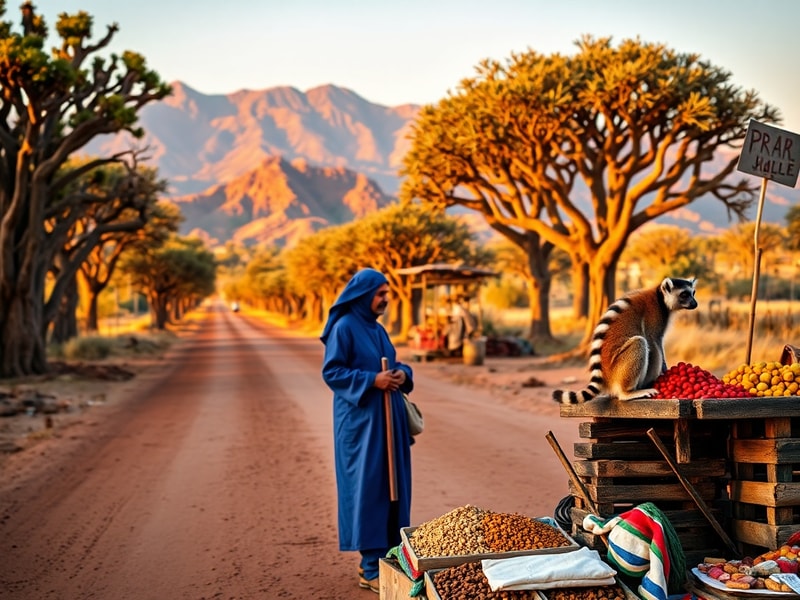
Tropic Thunder isn’t an invention of modern tourism; its origins trace back to indigenous cultures that thrived in these environments. Tribes like the Dani in Papua New Guinea or the Yanomami in the Amazon have long viewed their lands as both sanctuary and challenge. Today’s extreme travelers are, in many ways, the spiritual successors to these explorers, albeit with GPS devices and Instagram accounts.
This cultural continuum is evident in how modern expeditions incorporate traditional knowledge. Guides often share survival techniques passed down for generations, adding a layer of respect to the adventure. For instance, climbing Mount Rinjani in Indonesia isn’t just a physical test—it’s an homage to the Sasak people, who revere the volcano as sacred.
The global appeal of Tropic Thunder also reflects a broader societal shift. In an age of digital saturation, people crave tactile experiences that disrupt routine. Studies show that 68% of millennials prioritize travel experiences over material possessions, with extreme adventures ranking high on their wish lists. This demand has given rise to a new breed of travel companies specializing in high-octane, eco-conscious expeditions.
Where the Thunder Rolls In: Top Destinations
If Tropic Thunder were a playlist, these destinations would be the headliners:
- Puncak Jaya, Indonesia: The highest peak in Oceania, often called the “Carstensz Pyramid,” challenges climbers with its sheer rock faces and unpredictable weather. The trek itself is a cultural odyssey, traversing through tribal lands where indigenous communities maintain centuries-old traditions.
- Torres del Paine, Chile: This Patagonian wonderland offers glacier treks and granite towers that test even seasoned mountaineers. The raw beauty of the Paine Massif contrasts sharply with the commercialization of other global hotspots, making it a favorite among purists.
- Bhutan’s Snowman Trek: Known as one of the toughest hikes in the world, this 21-day journey crosses 11 passes over 4,500 meters. Bhutan’s commitment to “high-value, low-impact” tourism ensures that adventurers leave with more than just sore muscles—they leave with a deeper understanding of Himalayan culture.
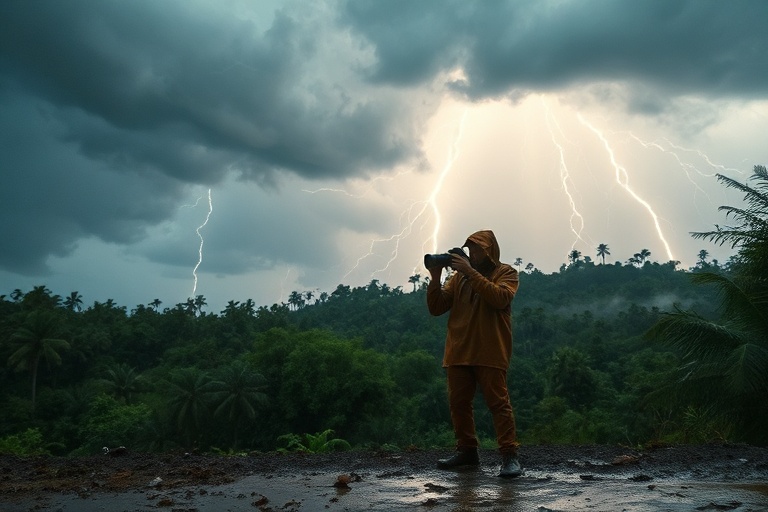
- Kakadu National Park, Australia: For those who prefer their adventures with a side of biodiversity, Kakadu’s rugged terrain and ancient Indigenous rock art provide a stark reminder of nature’s power. The thunder here isn’t just metaphorical; it’s the sound of seasonal storms rolling across the savanna.
Each location offers a unique flavor of Tropic Thunder, whether it’s the humid heat of the tropics or the biting cold of high-altitude climates. What unites them is the element of unpredictability—a force that forces travelers to adapt, to listen, and ultimately, to surrender to the environment.
The Double-Edged Sword: Risks and Responsibilities
The rise of Tropic Thunder hasn’t been without controversy. Environmentalists warn that unchecked adventure tourism can damage fragile ecosystems. In 2022, a surge in climbers attempting Mount Everest led to overcrowding and a record number of fatalities, prompting Nepal to impose stricter regulations. Similarly, the popularity of Thailand’s Khao Sok National Park has raised concerns about deforestation and wildlife disruption.
Yet, proponents argue that responsible Tropic Thunder can foster conservation. Many adventure travel companies now operate under strict eco-certifications, ensuring that their expeditions give back to local communities. For example, the Leave No Trace principles are increasingly adopted by guides in destinations like Costa Rica and New Zealand, where sustainability is as important as the summit.
Another layer of the debate involves safety. Extreme adventures inherently carry risks, from altitude sickness to encounters with wildlife. Organizations like the International Mountaineering and Climbing Federation (UIAA) have developed global safety standards, but accidents still occur. In 2023, a group of hikers in Patagonia faced a tragic landslide, highlighting the need for thorough preparation and respect for natural forces.
The Future of Thunder: Technology Meets Tradition
The next chapter of Tropic Thunder is being written at the intersection of innovation and tradition. Drones now capture aerial footage of remote trails, while wearable tech monitors vital signs in real-time. Yet, for all its technological advancements, the soul of Tropic Thunder remains rooted in human resilience.
Virtual reality (VR) is also playing a role, offering a taste of extreme environments without the physical toll. Companies like Wander use VR to simulate climbs like Kilimanjaro, allowing users to “experience” the journey before committing. While this democratizes access, purists argue that true Tropic Thunder requires sweat, blisters, and the occasional brush with danger.
Looking ahead, the movement may split into two distinct paths: one focused on accessibility (think shorter, less technical expeditions) and another pushing the boundaries of human endurance (like unsupported crossings of the Amazon). Both will likely emphasize sustainability, as travelers increasingly demand ethical options.
A Call to Action for the Modern Adventurer
Tropic Thunder is more than a trend—it’s a reflection of our relationship with the planet. It challenges us to confront our limits while celebrating the beauty of the wild. Whether you’re a seasoned mountaineer or a curious newcomer, the thunder is calling.
For those ready to answer, the first step is preparation. Research your destination thoroughly, choose reputable guides, and invest in quality gear. Remember, the goal isn’t just to survive the adventure but to emerge with a deeper appreciation for the world’s untamed corners.
And perhaps, in the process, you’ll find that Tropic Thunder has less to do with the roar of the elements and more to do with the quiet strength of the human spirit.