TUI Group stands as one of the world’s largest integrated leisure, travel, and tourism businesses. With roots stretching back to the 19th century, the company has grown into a global powerhouse, shaping the way millions experience holidays. From its early days as a shipping and mining company to its current status as a dominant force in package holidays, TUI’s journey reflects broader shifts in tourism, technology, and consumer behavior.
Today, TUI serves over 20 million customers annually across its European operations and beyond. Its portfolio includes airlines, hotels, cruise ships, and tour operators, all designed to offer seamless holiday experiences. This integration allows the company to control every stage of the travel process, from booking to return, a model that continues to attract travelers seeking convenience and reliability.
The Rise of the Modern Package Holiday
TUI’s transformation into a holiday provider began in earnest during the mid-20th century. The post-war boom in tourism created demand for affordable, organized travel. TUI, originally known as Touristik Union International, capitalized on this by acquiring regional tour operators and airlines, consolidating them under a single brand. This strategy allowed the company to offer bundled packages—flights, accommodation, and activities—at competitive prices.
The package holiday model became a cornerstone of TUI’s success. By the 1990s, the company had expanded across Europe, particularly in Germany, the UK, and Scandinavia. Its ability to negotiate bulk rates with hotels and airlines gave it a pricing advantage over independent travel agents. This approach democratized international travel, making destinations like Spain, Greece, and Turkey accessible to middle-class families.
Even as the internet began reshaping travel bookings in the late 1990s and early 2000s, TUI adapted by launching its own online platforms. Today, over 60% of its bookings are made digitally, with a user-friendly interface that simplifies the planning process. The company’s digital transformation has kept it relevant in an era where travelers increasingly rely on mobile apps and comparison tools.
Sustainability and Responsible Tourism
In recent years, TUI has faced growing scrutiny over the environmental impact of mass tourism. Cruise ships, charter flights, and resort developments contribute significantly to carbon emissions and ecological strain. Recognizing these concerns, the company has committed to ambitious sustainability goals under its Sustainability Agenda.
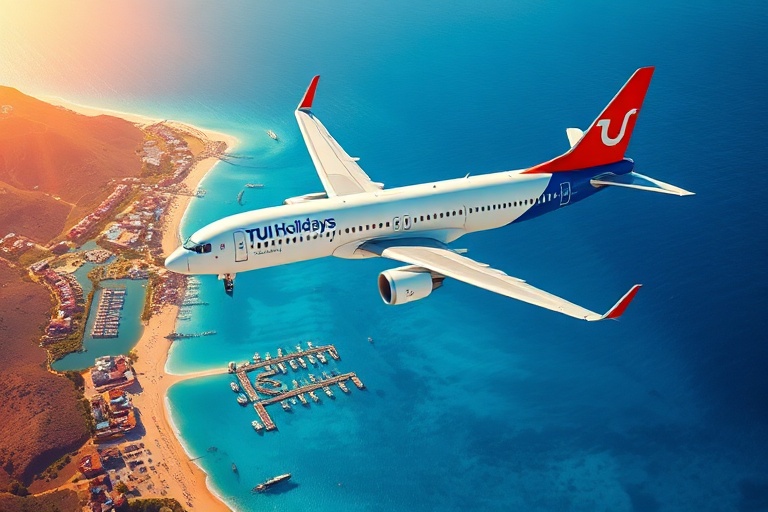
One of TUI’s key initiatives is reducing its carbon footprint by 25% per customer by 2030, compared to 2019 levels. This includes investing in more fuel-efficient aircraft, such as the Boeing 737 MAX and Airbus A320neo, which burn up to 20% less fuel. The company has also pledged to remove single-use plastics from its hotels and cruise ships by 2025.
Beyond environmental efforts, TUI promotes cultural preservation and community engagement. Its Responsible Tourism program supports local economies by sourcing food and services locally and training staff in sustainable practices. For example, TUI’s hotels in the Maldives work with marine conservation groups to protect coral reefs, while its excursions in Costa Rica emphasize wildlife preservation.
These initiatives reflect a broader industry shift toward ethical tourism. While critics argue that TUI’s scale makes meaningful change difficult, the company’s transparency and measurable targets suggest a genuine commitment to progress. Travelers today increasingly prioritize eco-friendly options, and TUI’s efforts position it as a leader in responsible tourism.
Navigating Challenges: Brexit, Pandemics, and Competition
TUI’s resilience has been tested by external shocks, most notably the COVID-19 pandemic. When global travel ground to a halt in March 2020, TUI suspended operations and repatriated thousands of stranded customers. The company reported losses exceeding €1 billion in its 2020 fiscal year, a stark contrast to its pre-pandemic profitability.
Recovery has been uneven. While European markets rebounded strongly in 2022 and 2023, lingering staff shortages and rising fuel costs have strained operations. The company has responded by optimizing its fleet, reducing underperforming routes, and focusing on high-demand destinations like Mallorca and Antalya. Its cruise division, though slower to recover, has seen a surge in bookings for 2024, driven by pent-up demand for experiential travel.
Geopolitical factors have also posed challenges. Brexit disrupted TUI’s operations in the UK, particularly in terms of regulatory compliance and currency fluctuations. The company has since restructured its UK business to operate independently, ensuring continuity for customers. Meanwhile, competition from low-cost airlines like Ryanair and easyJet has intensified price wars, pushing TUI to emphasize value-added services such as flexible booking options and all-inclusive packages.
Key Challenges Faced by TUI
- Pandemic Impact: Suspension of operations led to €1 billion+ losses in 2020; recovery ongoing but uneven.
- Brexit Disruptions: Regulatory changes forced restructuring of UK operations to maintain compliance.
- Rising Costs: Fuel price volatility and inflation have squeezed profit margins, particularly in aviation.
- Competition: Low-cost carriers and online travel agencies challenge TUI’s market share in package holidays.
The Future of Travel with TUI
Looking ahead, TUI is betting on several trends to drive growth. One is the rise of “bleisure” travel—combining business trips with leisure stays. TUI’s urban hotels, such as those in Lisbon and Berlin, are marketed toward remote workers and hybrid professionals seeking extended stays. The company’s “Workations” packages include high-speed Wi-Fi, co-working spaces, and flexible cancellation policies, catering to the new hybrid workforce.
Another growth area is experiential travel. TUI has expanded its portfolio to include adventure tours, cultural immersions, and wellness retreats. For instance, its “TUI Magic Life” resorts now offer yoga retreats, diving excursions, and local cooking classes, moving beyond traditional sun-and-sand holidays. This shift aligns with changing consumer preferences, particularly among younger travelers who prioritize authenticity and personal growth.
Technology will also play a pivotal role. TUI is investing in AI-driven personalization, using customer data to recommend tailored itineraries. Its mobile app now features augmented reality (AR) tools that allow users to preview destinations before booking. For example, customers can virtually explore a hotel room or a beach in the Dominican Republic through their phones, enhancing decision-making and reducing post-booking dissatisfaction.
However, the company must also address lingering skepticism about mass tourism’s impact. While TUI’s sustainability efforts are commendable, critics argue that incremental changes are insufficient in the face of climate change. The company’s ability to innovate—whether through carbon-neutral cruises or regenerative tourism projects—will determine its long-term viability in a more environmentally conscious market.
Why TUI Remains a Travel Industry Leader
TUI’s enduring success stems from its ability to balance tradition with innovation. Unlike online-only travel agencies, TUI controls every aspect of the holiday experience, from aircraft to accommodation. This vertical integration ensures quality control and allows the company to offer competitive pricing. Its global reach, with operations in over 180 countries, provides customers with unparalleled choice and convenience.
The company’s adaptability has been equally crucial. By pivoting from shipping to tourism in the 20th century and later embracing digital transformation, TUI has stayed ahead of industry trends. Its response to the pandemic—accelerating digitalization and restructuring unprofitable segments—demonstrates a pragmatic approach to crisis management.
For travelers, TUI represents more than just a holiday provider; it’s a symbol of accessible, well-organized travel. Whether booking a last-minute getaway or planning a multi-generational family trip, customers trust TUI to deliver consistent experiences. As the travel industry evolves, TUI’s ability to merge sustainability, technology, and customer-centricity will ensure its continued relevance in the decades to come.
For those considering their next holiday, TUI offers a compelling blend of affordability, reliability, and variety. With a portfolio that spans beach resorts, city breaks, and adventure tours, there’s something for every type of traveler. As the company continues to innovate, one thing is clear: TUI holidays are more than just a trip—they’re a gateway to unforgettable experiences.