What Is the Beautiful Game?
Soccer, known globally as football outside the United States, is more than just a sport. It is a cultural force that unites people across continents, languages, and socioeconomic backgrounds. The term “the beautiful game” was popularized by Brazilian legend Pelé, who described soccer as a sport that transcends competition and becomes an art form.
At its core, soccer is simple: two teams of 11 players try to score by getting a ball into the opposing team’s net. Yet its simplicity belies its complexity. The game demands endurance, strategy, and teamwork. Matches unfold in real time, with moments of brilliance, heartbreak, and collective joy that resonate deeply with fans.
Soccer’s global reach is unparalleled. According to FIFA, over 4 billion people watched the 2022 World Cup in Qatar, making it the most-watched sporting event in history. This staggering figure underscores soccer’s role not just as entertainment but as a shared experience that spans nations and cultures.
The Cultural Heartbeat of Communities
In many parts of the world, soccer is woven into the fabric of daily life. In Brazil, the sport is celebrated as a national identity, with street games serving as both recreation and a pathway to professional careers. The samba rhythms of Rio de Janeiro’s favelas often accompany impromptu matches, where children and adults alike showcase their skills on cracked concrete pitches.
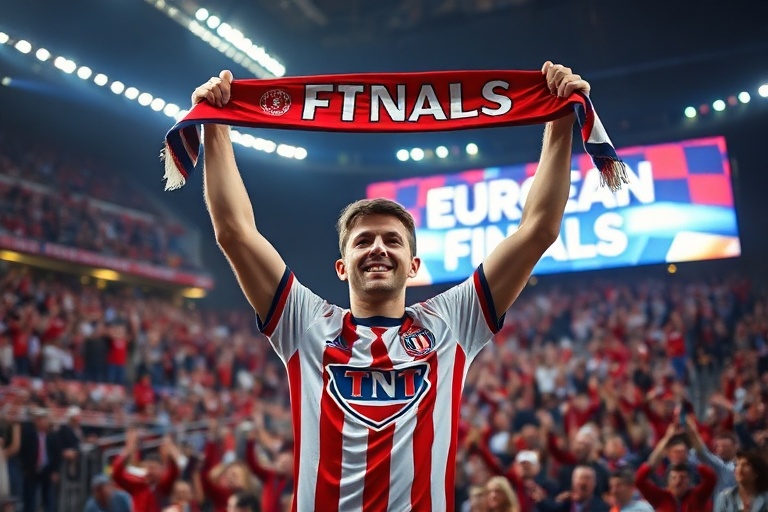
Across the Atlantic, in England, soccer stadiums are cathedrals of tradition. Clubs like Liverpool and Manchester United have legions of supporters who treat matches as pilgrimages. The chants, rituals, and rivalries in English football create a sense of belonging that extends beyond the 90 minutes on the pitch.
In Africa, soccer is a tool for social change. Programs like the Diambars Institute in Senegal use the sport to educate and empower young people. The continent has produced some of the game’s most iconic players, including Didier Drogba and Mohamed Salah, who serve as role models for aspiring athletes.
- Brazil: Home to five World Cup wins, soccer is a source of national pride and creativity.
- England: The birthplace of modern soccer, with clubs that boast over a century of history.
- Nigeria: A powerhouse in African soccer, known for its vibrant style and passionate fans.
- Japan: Where soccer has grown rapidly, blending discipline with innovation.
- Argentina: The land of Maradona and Messi, where soccer is a way of life.
The Business of Soccer: A Global Industry
Soccer is not just a cultural phenomenon; it is a multi-billion-dollar industry. The top European clubs, such as Real Madrid and Barcelona, operate like multinational corporations. Their revenues come from broadcasting rights, sponsorships, and merchandise sales. The English Premier League alone generates over $6 billion annually in broadcast revenue.
Transfers of top players have reached astronomical sums. In 2017, Neymar’s move from Barcelona to Paris Saint-Germain for $263 million shattered records. These transactions reflect soccer’s status as a global commodity, where talent is scouted worldwide and players become global brands.
The Women’s game is also experiencing a surge in popularity and investment. The 2019 FIFA Women’s World Cup drew over 1.1 billion viewers, and players like Megan Rapinoe and Alexia Putellas have become household names. Leagues such as the NWSL in the U.S. and the Women’s Super League in England are growing, though challenges remain in achieving parity with men’s soccer.
The Future of Soccer: Challenges and Opportunities
As soccer evolves, it faces both opportunities and challenges. The introduction of video assistant referees (VAR) has sparked debates about the integrity and flow of the game. While VAR aims to reduce human error, critics argue that it disrupts the spontaneity that makes soccer so compelling.
Sustainability is another pressing issue. Major tournaments, like the World Cup, are under pressure to minimize their environmental impact. Qatar 2022 faced criticism for its carbon footprint, prompting FIFA to commit to more eco-friendly practices in future tournaments.
Technology is transforming how fans engage with the game. Streaming services like DAZN and ESPN+ offer global access to matches, while social media platforms allow players to connect directly with supporters. The rise of esports and soccer video games like FIFA (now EA Sports FC) has also expanded the game’s reach to younger audiences.
Yet, despite these changes, soccer’s essence remains unchanged. It is a sport that thrives on unpredictability, where a single moment—a last-minute goal, a stunning save—can define careers and captivate millions. As the game continues to grow, its power to inspire, unite, and entertain shows no signs of fading.
A Final Whistle
Soccer’s global appeal lies in its ability to reflect and shape the world around it. It is a mirror to society, reflecting triumphs, struggles, and everything in between. Whether played in a dusty village in Africa or a packed stadium in Europe, the beautiful game remains a universal language.
For those who love soccer, it is more than a sport. It is a passion, a tradition, and a lifelong journey. As the legendary Johan Cruyff once said, “Quality without results is pointless. Results without quality is boring.” Soccer, in all its beauty and complexity, balances both effortlessly.
To explore more about soccer’s rich history and its impact on culture, visit our Sports section for in-depth analysis and features.