The Fascination with the Crescent Moon and Jupiter
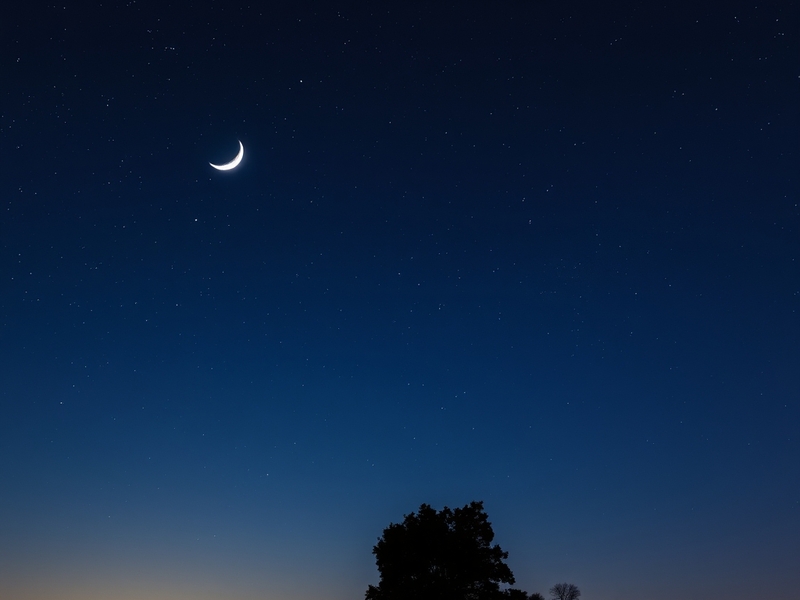
The crescent moon and Jupiter have long been objects of fascination for astronomers and casual stargazers alike. Together, they create a stunning visual display that captivates audiences around the globe. This celestial event not only showcases the beauty of our solar system but also serves as a reminder of the intricate dance of celestial bodies. The crescent moon, often symbolizing new beginnings, pairs beautifully with Jupiter, the largest planet in our solar system, known for its striking bands and Great Red Spot.
Understanding the Alignment
The alignment of the crescent moon and Jupiter occurs when these two celestial bodies are positioned closely in the night sky. This phenomenon can happen several times a year, offering numerous opportunities for observation. The crescent moon, at a phase where only a sliver of its surface is illuminated by the sun, provides a stark contrast to the bright and prominent Jupiter. This juxtaposition is not only visually stunning but also scientifically interesting.
During these events, the moon’s position changes rapidly, making it essential for enthusiasts to track its movement. The best time to observe this alignment is shortly after sunset when the sky is dark enough to see the bright planets and the delicate crescent moon.
Tips for Observing the Crescent Moon and Jupiter
To make the most of this celestial event, consider the following tips:
- Choose the Right Time: The crescent moon and Jupiter are best viewed shortly after sunset.
- Find a Dark Location: Light pollution can hinder visibility. Seek out areas with minimal artificial light.
- Use Binoculars or a Telescope: While both can be seen with the naked eye, binoculars or a telescope can enhance the experience, revealing more details.
- Check the Weather: Cloudy skies can obstruct views. Ensure you have clear weather conditions for optimal observation.
By following these tips, you can enhance your stargazing experience and truly appreciate the beauty of the crescent moon and Jupiter.
The Science Behind the Celestial Dance
The crescent moon and Jupiter’s proximity is a result of their orbits around the sun. The moon orbits Earth, while Jupiter orbits the sun at a much greater distance. This alignment is a typical occurrence in astronomy known as a conjunction. During a conjunction, two celestial bodies appear close together in the sky from our perspective on Earth.
Jupiter, being a gas giant, has a unique atmosphere that contributes to its brightness. Its many moons, including the four largest known as the Galilean moons, add to its allure. Observing Jupiter through a telescope can reveal these moons, enhancing the overall experience of witnessing this celestial event.
Conclusion: A Timeless Connection
The connection between the crescent moon and Jupiter is more than just a visual spectacle; it represents humanity’s enduring fascination with the cosmos. Whether you’re an amateur astronomer or simply someone who enjoys gazing at the night sky, the sight of the crescent moon and Jupiter together is a reminder of the wonders of the universe. Such events encourage us to look up and ponder the vastness of space, igniting curiosity and wonder.
For more insights into astronomical events and stargazing tips, visit our Science and Travel sections to explore the universe further.