Ascension Island: The Remote Atlantic Outpost Shaping Global History
“`html
Ascension Island: A Remote Outpost with Global Significance
Ascension Island sits in the South Atlantic Ocean, roughly midway between South America and Africa. This British Overseas Territory covers just 34 square miles and hosts a population of around 800 people. Despite its isolation, the island plays an outsized role in global communications, space exploration, and military strategy. Its history reflects centuries of colonial ambition, scientific curiosity, and geopolitical maneuvering.
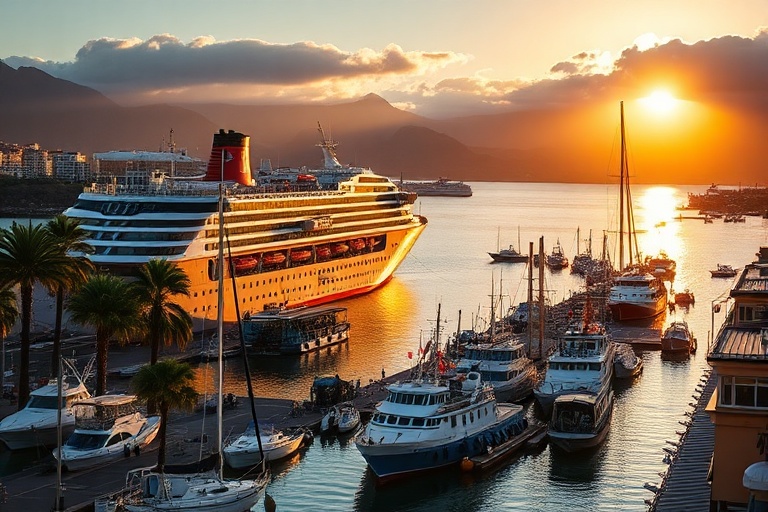
The island’s strategic location made it a prized possession during the age of sail. Portuguese explorers first sighted Ascension in 1501, but it remained uninhabited until the British arrived in 1815. They established a settlement to prevent the French from using it as a staging point for Napoleon’s rescue, a move that underscored the island’s importance in imperial rivalries. By the 19th century, Ascension had become a vital coaling station for steamships, ensuring the Royal Navy’s dominance over global trade routes.
Today, Ascension’s role has evolved. It serves as a critical hub for submarine cables, satellite tracking, and even NASA’s space missions. The island’s past and present reveal how a speck of land in the middle of an ocean can shape technological and military history.
The Science and Exploration Legacy of Ascension Island
Ascension’s isolation has made it an ideal location for scientific research. The island’s volcanic origins and unique ecosystem have drawn biologists, geologists, and astronomers for decades. One of its most notable features is the Green Mountain, a dormant volcano that reaches 2,817 feet above sea level. The mountain’s mist-catching vegetation creates an unexpected oasis in an otherwise arid landscape.
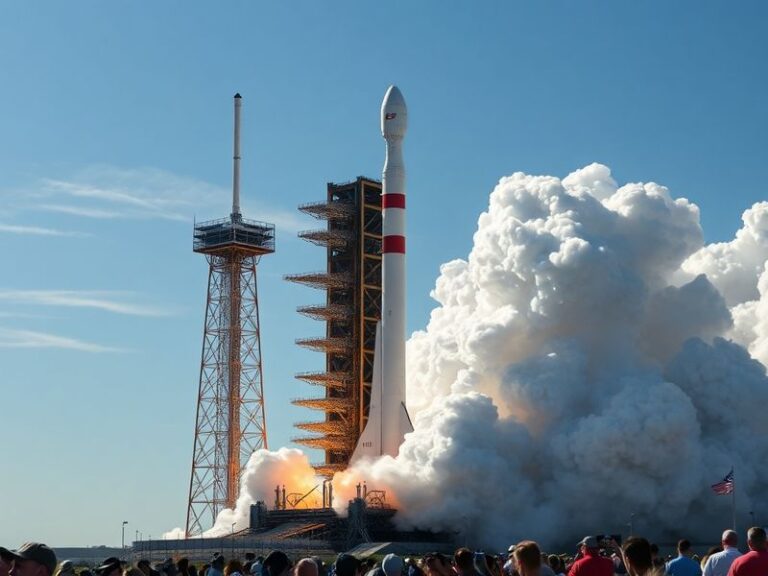
In the 1960s, NASA selected Ascension as one of its primary tracking stations for the Apollo moon missions. The island’s position allowed ground crews to maintain contact with spacecraft during critical phases of flight. Even today, the European Space Agency operates a ground station on Ascension, supporting launches from French Guiana. These facilities highlight how remote locations often become linchpins in global technological networks.
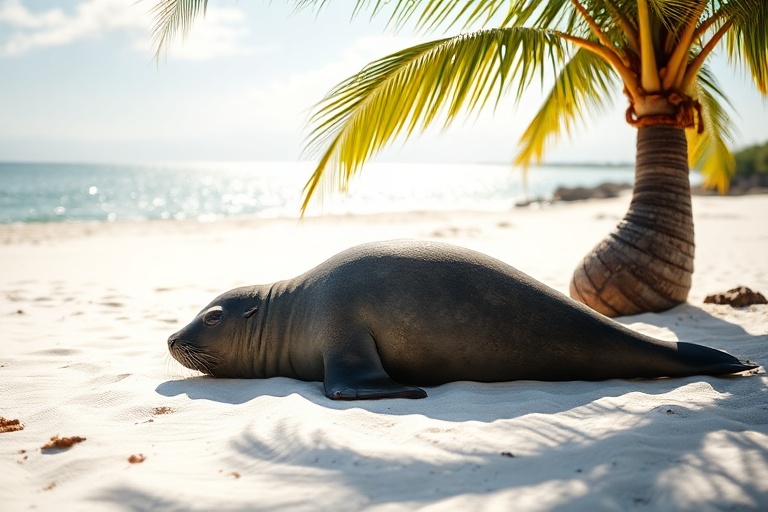
The island’s scientific contributions extend beyond space exploration. The Ascension Island Government has partnered with conservation groups to protect its fragile ecosystem. Invasive species, such as feral cats and rats, have threatened native wildlife, including the endemic Ascension frigatebird. Efforts to restore the island’s biodiversity demonstrate how even the smallest territories can contribute to global conservation goals.
A Military Crossroads in the Atlantic
Ascension’s strategic value has not diminished in the modern era. The island hosts a joint U.S.-UK military base known as RAF Ascension Island. This facility serves as a refueling point for aircraft transiting the Atlantic and a staging area for military operations in Africa and the Middle East. The base’s runway, one of the longest in the world at over 10,000 feet, can accommodate nearly any aircraft, including the U.S. Air Force’s C-5 Galaxy transport planes.
The military presence on Ascension dates back to World War II, when the U.S. built an airbase to support Allied operations in Europe and North Africa. During the Falklands War in 1982, Ascension became a crucial logistical hub for British forces en route to the South Atlantic. The island’s role in that conflict cemented its reputation as a vital asset in global military strategy.
While the island’s military significance is undeniable, it also raises questions about sovereignty and environmental impact. The British government leases land to the U.S. military, a arrangement that has occasionally sparked local debate. Residents of Ascension, though few in number, have expressed concerns about the environmental footprint of military operations, including fuel spills and habitat disruption. Balancing these interests remains a challenge for policymakers.
The Cultural Tapestry of a Remote Community
Ascension Island’s population is a microcosm of global migration. The island’s residents hail from St. Helena, the UK, the U.S., and the Philippines, among other places. This diversity is reflected in the island’s cultural landscape, where traditions blend seamlessly. The local cuisine, for example, features a mix of British comfort food and Filipino dishes, a legacy of the workers who arrived to build the military base.
Despite its small size, Ascension has a vibrant community life. The island’s lone school, two churches, and a handful of social clubs provide a sense of normalcy in an otherwise remote setting. The annual Tug-of-War competition, held during Ascension Day, is a highlight of the social calendar. Teams from different parts of the island compete in a test of strength and camaraderie that draws spectators from across the territory.
Tourism on Ascension is limited but growing. Visitors are drawn to the island’s stark beauty, unique wildlife, and sense of isolation. The Travel industry on Ascension is small-scale, catering to adventurous travelers rather than mass tourism. The island’s remoteness ensures that it remains off the beaten path, a sanctuary for those seeking solitude and natural wonder.
The Future of Ascension Island
Ascension Island faces a mix of challenges and opportunities in the coming decades. Climate change poses a long-term threat, particularly to the island’s water supply and coastal ecosystems. Rising sea levels could erode shorelines and disrupt habitats, while changing weather patterns may affect the mist-catching vegetation on Green Mountain. The island’s government is working with international partners to develop resilience strategies, but the scale of the problem is daunting for a territory with limited resources.
Economically, Ascension relies heavily on the military and scientific sectors. The U.S. and UK governments provide significant funding, but there is a push to diversify the island’s economy. Renewable energy, particularly wind and solar power, is being explored as a way to reduce dependence on imported fuel. Eco-tourism is another potential growth area, though it must be managed carefully to avoid harming the island’s delicate environment.
Politically, Ascension remains a British Overseas Territory, but its relationship with the UK is evolving. In recent years, there have been calls for greater autonomy, particularly from younger residents who see the island’s future tied more closely to its neighbors in the South Atlantic. The British government has pledged to support Ascension’s development, but the path forward will require careful negotiation and investment.
Why Ascension Island Matters
Ascension Island is a testament to the enduring significance of remote locations in a globalized world. Its history reflects the ambitions of empires, the curiosity of scientists, and the strategic calculations of modern militaries. Yet, for all its global connections, Ascension remains a place of isolation and resilience. Its small community faces unique challenges, from environmental threats to economic constraints, but it also embodies a spirit of adaptability and ingenuity.
The island’s story is one of contrasts: a place where cutting-edge technology exists alongside untouched natural beauty; where military power and scientific discovery intersect; where a handful of people maintain a way of life that is both ordinary and extraordinary in its remoteness. Ascension Island reminds us that even the smallest territories can have an outsized impact on the world.
As the 21st century unfolds, Ascension will continue to play a role in global affairs, whether as a hub for space exploration, a military outpost, or a model for sustainable living in extreme environments. Its future is uncertain, but its past is a reminder that history is often written in the most unexpected places.
—