Hawaiian Monk Seal: Why This Endangered Species Needs Our Help
Hawaiian Monk Seal: The Ocean’s Most Vulnerable Treasure
The Hawaiian monk seal, one of the rarest marine mammals on Earth, faces an uncertain future despite thriving in the warm waters of the Hawaiian Islands. With a population of fewer than 1,500 individuals, this endangered species is fighting for survival against human encroachment, climate change, and natural predators. Unlike their Caribbean and Mediterranean counterparts—both now extinct—the Hawaiian monk seal remains a living symbol of resilience and conservation efforts in the Pacific.
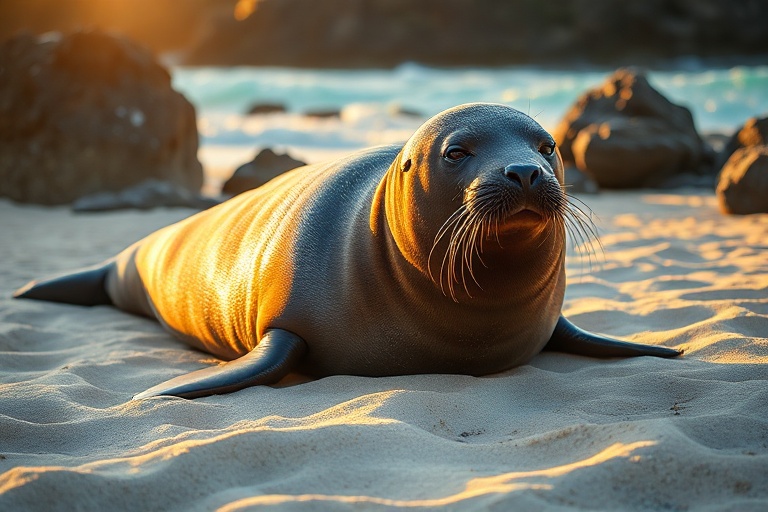
The species, scientifically known as Neomonachus schauinslandi, is the only seal native to the Hawaiian archipelago. Its name originates from the thick folds of skin around its neck, resembling a monk’s cowl, and its solitary nature. These seals spend most of their lives in the water, hauling out onto sandy beaches to rest, molt, and give birth. Their presence is a critical indicator of the health of Hawaii’s marine ecosystems, making their preservation essential for the broader oceanic environment.
Yet, their survival is far from guaranteed. Habitat loss, entanglement in fishing gear, and disturbance by humans are daily threats. Conservationists and local communities have rallied to protect these seals, but challenges persist. Understanding their ecology, behavior, and the human factors affecting them is crucial to ensuring their future.
Why the Hawaiian Monk Seal Is on the Brink
The Hawaiian monk seal’s endangered status stems from a combination of historical exploitation and modern-day pressures. In the 19th and early 20th centuries, commercial hunting nearly wiped out the species. Though hunting was banned in 1909, recovery has been slow due to low reproductive rates and high juvenile mortality. Females give birth to a single pup every two to five years, making population growth inherently difficult.
Today, the primary threats include:
- Human disturbance: Beaches where seals haul out are popular with tourists and locals. Frequent interruptions can cause mother seals to abandon their pups or prevent them from resting properly.
- Fishing gear entanglement: Abandoned or lost fishing nets and lines pose a deadly risk, often leading to drowning or severe injury.
- Limited habitat: With only six main breeding sites, competition for space is intense, especially as sea levels rise and beaches erode.
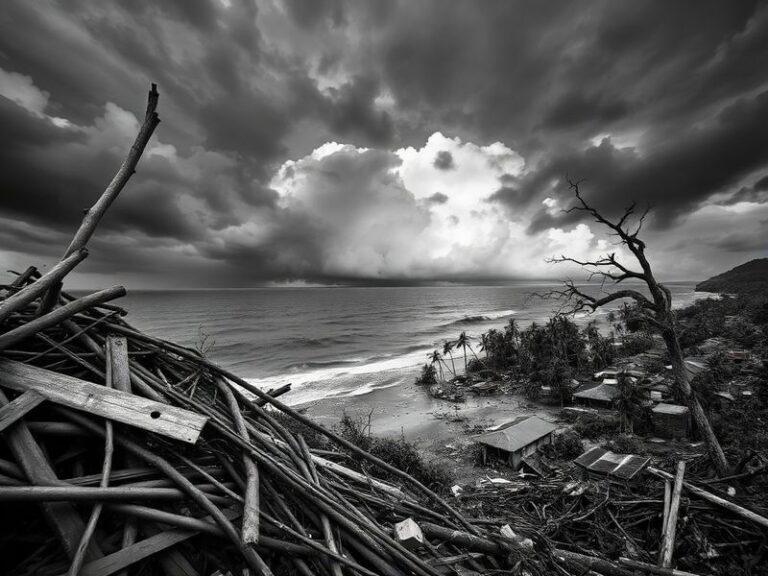
- Climate change: Warmer ocean temperatures affect prey availability, while stronger storms can destroy critical habitat areas.
According to the National Oceanic and Atmospheric Administration (NOAA), fewer than 30% of monk seal pups survive to adulthood. This low survival rate is compounded by a skewed population ratio—females outnumber males, which can further limit reproductive opportunities. Without targeted conservation interventions, experts warn that extinction could occur within decades.
The Life Cycle and Behavior of a Hawaiian Monk Seal
Hawaiian monk seals are true ocean nomads, spending up to 50% of their time underwater searching for food. They feed primarily on reef fish, eels, and octopus, diving to depths of 300 feet in pursuit of prey. Their streamlined bodies and large eyes adapted for low-light vision make them efficient nocturnal hunters.
Reproduction is a slow process. Mating typically occurs in the water, and after a gestation period of about 11 months, females give birth on sandy beaches between March and June. Pups weigh around 30 pounds at birth and nurse for 5–7 weeks before being weaned. During this time, they gain up to 200 pounds, fueled by their mother’s rich milk, which contains nearly 50% fat.
Juvenile seals face the highest mortality rates, with many falling victim to Galápagos sharks or starvation. Those that survive must learn to hunt independently, a skill that takes years to master. Adults, meanwhile, are less vulnerable to predation but remain at risk from human activities.
A unique behavior observed in monk seals is “tenting,” where they raise their heads and flippers while lying on the beach. Scientists believe this posture helps regulate body temperature and may also serve as a social signal. Unlike more gregarious seal species, Hawaiian monk seals are generally solitary, coming together only during mating or pupping seasons.
Conservation Efforts: A Race Against Time
Protecting the Hawaiian monk seal requires a multi-faceted approach that balances ecological needs with human interests. NOAA’s Hawaiian Monk Seal Recovery Program has implemented several key strategies, including:
- Habitat protection: Designating critical haul-out and pupping areas as protected zones, restricting access during sensitive periods.
- Community engagement: Partnering with local organizations to educate residents and visitors about responsible wildlife viewing and reducing beach disturbances.
- Direct intervention: Rescuing entangled seals, relocating injured animals to rehabilitation centers, and even fostering pups from high-risk areas.
- Research and monitoring: Using satellite tags and camera traps to track seal movements and identify critical habitat areas.
One of the most successful interventions has been the “Head Start” program, where young seals are temporarily captured, nursed back to health if malnourished, and released once they reach a safe weight. This approach has significantly improved survival rates for at-risk juveniles.
However, conservationists face an uphill battle. Public awareness remains inconsistent, and illegal fishing continues to pose a threat. The Hawaiian Monk Seal Recovery Program relies heavily on public support and funding, which is often stretched thin. Efforts to restore native ecosystems, such as removing invasive species and replanting native vegetation, are also underway to improve habitat quality.
Another promising development is the use of artificial intelligence to monitor seal populations. Drones and underwater cameras equipped with AI can analyze seal behavior and detect threats without human interference, offering a scalable solution for large, remote areas.
The Cultural and Ecological Significance of the Hawaiian Monk Seal
The Hawaiian monk seal holds deep cultural significance for Native Hawaiians, who view it as a ‘aumakua—a family guardian spirit. In Hawaiian mythology, seals are sometimes seen as protectors or messengers between humans and the gods. This spiritual connection has led to a strong cultural emphasis on conservation, with traditional practices now integrated into modern protection efforts.
Ecologically, monk seals play a vital role in maintaining the balance of Hawaii’s marine ecosystems. As apex predators, they help control fish populations and prevent overgrazing of reefs. Their presence also indicates the overall health of the ocean, serving as a living barometer for environmental conditions.
Yet, their decline reflects broader ecological challenges. The same factors threatening monk seals—overfishing, climate change, and habitat loss—are also impacting coral reefs, fish stocks, and coastal communities. Protecting the monk seal is not just about saving one species; it’s about preserving the entire marine ecosystem of Hawaii.
How You Can Help Protect the Hawaiian Monk Seal
Individuals can make a difference in the survival of the Hawaiian monk seal through small but meaningful actions. NOAA and local conservation groups recommend the following steps:
- Respect wildlife viewing guidelines: Keep a safe distance of at least 150 feet from seals on beaches. Never approach, touch, or feed them.
- Reduce plastic use: Avoid single-use plastics, which can end up in the ocean and entangle seals or contaminate their food sources.
- Support conservation organizations: Donate to groups like Hawaiian Monk Seal Research Program or volunteer for beach cleanups and educational programs.
- Choose sustainable seafood: Support fisheries that use responsible practices to reduce bycatch and protect marine habitats.
- Spread awareness: Share accurate information about monk seals on social media and educate others about their plight.
Every action counts, from reducing carbon footprints to advocating for stronger environmental policies. The Hawaiian monk seal’s fate is intertwined with our own, and its survival depends on the choices we make today.
A Future Worth Fighting For
The Hawaiian monk seal is more than just an endangered species—it is a symbol of resilience, cultural heritage, and ecological balance. While its future remains uncertain, the collective efforts of scientists, conservationists, and communities offer a glimmer of hope. With continued support and targeted action, it is possible to reverse the decline of this unique marine mammal.
Yet, the clock is ticking. As climate change intensifies and human pressures grow, the window for effective intervention is narrowing. The story of the Hawaiian monk seal is not just about saving a species; it is about reaffirming our commitment to the oceans and the life they sustain. For those who have had the privilege of seeing a monk seal on a Hawaiian beach, the sight is unforgettable—a fleeting moment that underscores the fragility and beauty of the natural world.
If we act now, future generations may still witness these ancient mariners basking in the sun, a testament to both nature’s endurance and humanity’s capacity for stewardship.